
Root Canal Treatment
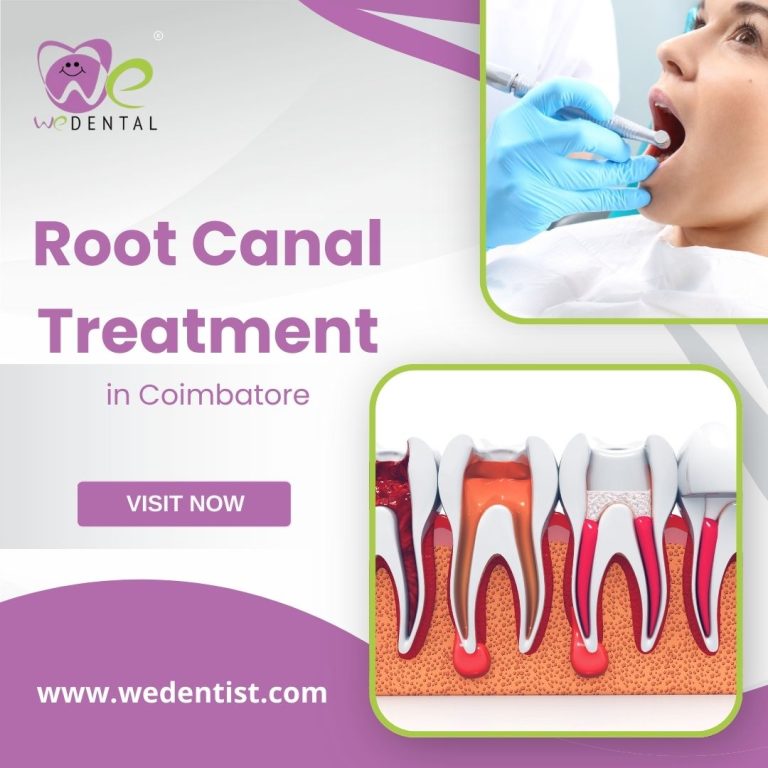
How Root Canal Treatment Saves Your Natural Tooth
When teeth are severely infected or decayed, most people fear that they cannot be saved other than by extraction. The root canal therapy is, a more efficient conservative method of dental treatment that is available in modern days. Not only does this process relieve pain, but it is also significant in saving your natural tooth and allowing you to preserve your original bite and smile.
What is the root canal treatment?
The root canal is a dental procedure that is applicable in the treatment of infected soft tissue carrying the pulp, veins, and blood vessels found in a tooth. When the region gets inflamed or infected by deep cavities, cracks, or constant tooth processes, this may lead to recute pain, sensitivity, and even an abscess to develop.
Alternatively, removing the tooth can be done, and this is an operation involving scrubbing the damaged tissue within the canal, cleaning and sterilizing the inside ducts, and occluding them to inhibit the opening of additional infection. The final process generally involves fixing a replacement that looks and functions similarly to the natural tooth and returns the same size.
Why Is Saving the Natural Tooth Important?
Keeping your natural tooth is always preferable to extraction for several reasons:
Maintaining proper chewing function: Natural teeth provide better cutting efficiency than artificial replacements.
Prevents the dental disease: losing teeth can cause the design of nearby teeth.
Protects the jaw health: Extraction can cause bone loss over time, while a natural tooth helps maintain bone density.
Further procedures are avoided: The absence of tooth space is mostly associated with a bridge, transplant, or prosthesis that is costly and needs increased maintenance.
Root canal treatment allows you to avoid these complications by preserving the original tooth structure.
How the Procedure Works
Diagnosis and examination: The Dentist tests the affected teeth and carries out X-rays to identify the infected area.
Local anesthesia: This involves injecting medicine so that the to be treatedregion is numb and the procedure will be comfortable and painless.
Pulp removal: Access prepared to reach the tooth pulp cavity, and the infected tissue is removed.
Cleaning and filling: The root canals are cleaned, shaped, and they are filled with a special material to seal.
Restoration: A filling is kept and a permanent tooth color is placed to protect the treated tooth, and its complete function is restored.
The whole process is usually completed on one to two trips and provides long-lasting relief and stability.
Conclusion
You should not be afraid of root canal treatment; it is a painless method of getting rid of the pain and saving your natural tooth. This treatment can be done by treating the cause of the problem and retaining your own natural bite, so it will be effective for your oral health and well-being in the long run.

